
Introduction
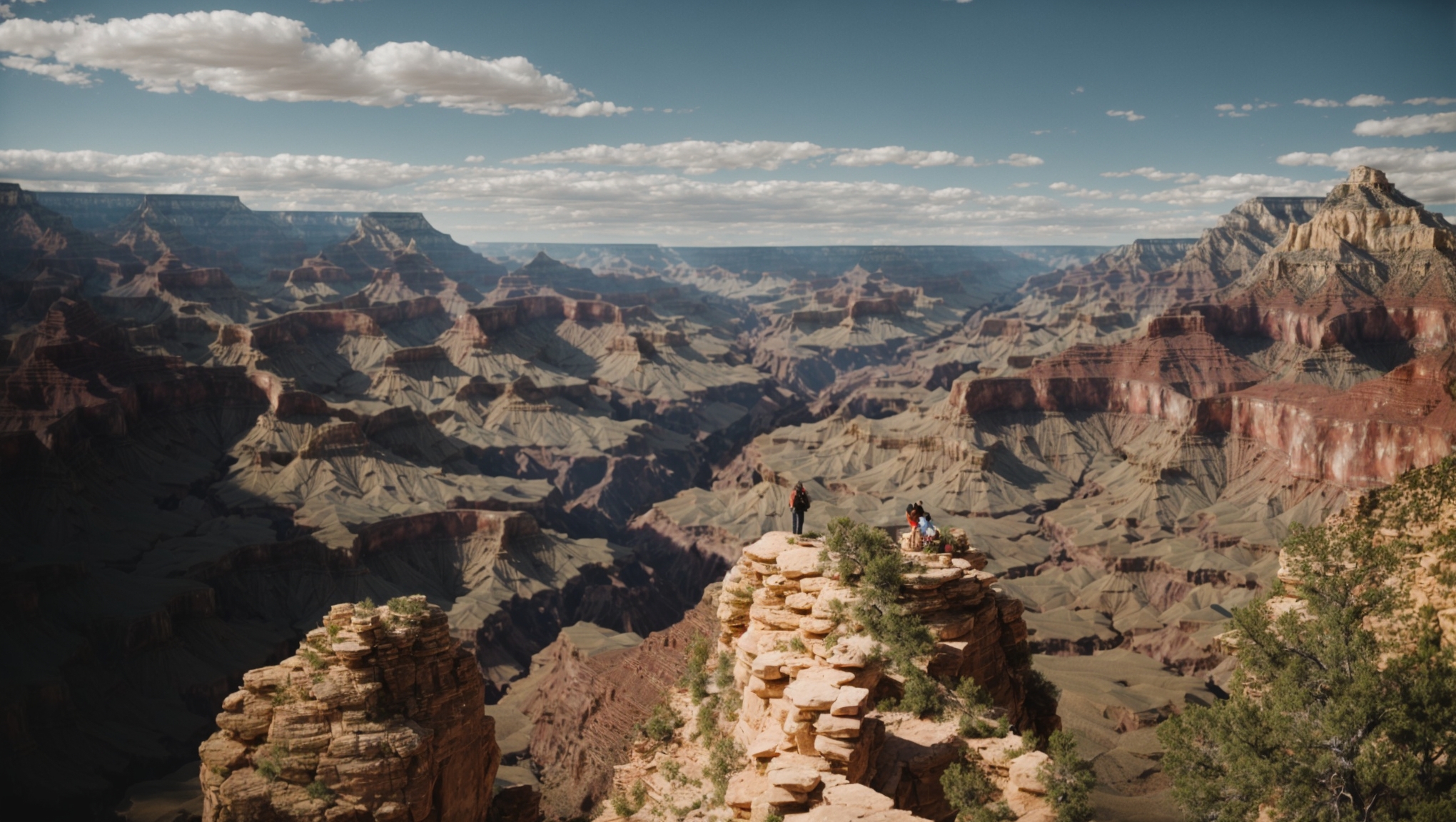
The Grand Canyon National Park is an incredible wonder that showcases nature’s unmatched artistic talent. This geological marvel, which the Colorado River painstakingly sculpted over millennia, serves as evidence of the Earth’s transforming forces. In this article, we set out on a quest to explore the beauty of the Grand Canyon National Park, learning about its fascinating geological past, abundant wildlife, and exciting recreational activities.

A Geological Masterpiece
The Formation Process
The Grand Canyon’s remarkable geological history is at the core of its attractiveness. The fascinating story of the Earth’s long-term evolution is shown by the various strata of rock. Each strata reveals a different chapter in the history of our world, from the ancient Vishnu Basement Rocks to the colorful Toroweap Formation.
The Role of the Colorado River
Central to the Grand Canyon’s narrative is the Colorado River, the master sculptor of this majestic landscape. Through countless millennia, the river’s unyielding flow meticulously carved through rock layers, revealing the breathtaking depths of the canyon we marvel at today.
A Symphony of Biodiversity
Flora and Fauna
The Grand Canyon is home to a wide variety of plants and animals, in sharp contrast to its dry surroundings. The park is a testament to life’s tenacity in seemingly hostile circumstances, from the spectacular flight of California condors above the rim to the delicate blossoms of desert flora in May.
Unique Ecosystems
The Grand Canyon is home to a wide variety of life forms, each of which is adapted to a particular altitude and set of environmental factors. These environments offer refuge for a wide variety of species, from the lush woods gracing the North Rim to the dry deserts around the South Rim.
Adventures Beyond the Rim
Hiking Trails
For the adventurers among us, the Grand Canyon presents an array of hiking trails catering to varying skill levels. The Rim-to-Rim trail, a challenging expedition spanning the canyon’s width, offers panoramic vistas and an overwhelming sense of accomplishment.
River Rafting
A river rafting excursion along the Colorado River offers a close-up view of the grandeur of the Grand Canyon. The tour skillfully combines the exhilaration of negotiating rapids with the peace of drifting through this natural wonder’s interior.

Connecting with Indigenous Heritage
Cultural Significance
Many Native American groups place great cultural significance on the Grand Canyon. The history of the canyon can be better understood by visitors by delving into their customs, myths, and close ties to the land.
Preservation Efforts
Safeguarding the cultural heritage of the Grand Canyon is paramount. The park actively collaborates with indigenous communities to ensure their heritage remains protected and their voices resonate throughout the canyon’s story.
Conclusion
The Grand Canyon National Park is a steadfast example of the beauty and might of the planet. Every aspect of the canyon contains a tale, from the stratified rock layers that tell the history of the world to the diverse ecosystems that live there. The Grand Canyon invites us to explore and experience the magnificence of the natural world, whether from the rim or by walking its pathways.

FAQs About the Grand Canyon National Park
Q1: Can I visit the Grand Canyon throughout the year? A: Indeed, the Grand Canyon remains open year-round. However, winter snowfall might render certain areas inaccessible.
Q2: Does the park offer accommodations? A: Absolutely, the Grand Canyon offers a variety of lodging options, including lodges and campgrounds.
Q3: Are pets allowed within the park? A: Yes, some areas permit pets, though restrictions are in place to ensure their safety and preserve the ecosystem.
Q4: Is it possible to hike to the canyon’s base in one day? A: While feasible, hiking to the bottom and back within a day is challenging due to the demanding terrain and elevation changes.
Q5: How can I best savor sunrise or sunset at the Grand Canyon? A: The canyon’s rim provides numerous vantage points for breathtaking sunrise and sunset views. Arriving early ensures a prime spot to witness these awe-inspiring moments.
Q6: Can I visit the Grand Canyon in a single day?
A: While a day trip is possible, consider spending at least a couple of days to truly absorb the park’s essence and explore its various facets.
Q7: Are there guided tours available? A: Yes, the Grand Canyon offers a range of guided tours led by knowledgeable experts who can enhance your understanding of the park’s history and geology.
Q8: Can I capture the Grand Canyon’s essence through photography? A: Absolutely! The Grand Canyon’s ever-changing light and landscapes provide ample opportunities for stunning photography.
Q9: What’s the best time of year to visit? A: Spring and fall are popular seasons due to mild weather and fewer crowds, but each season offers a unique experience.
Q10: Is there an entrance fee? A: Yes, there’s an entrance fee to the Grand Canyon National Park. Check the official website for current pricing and pass options.