
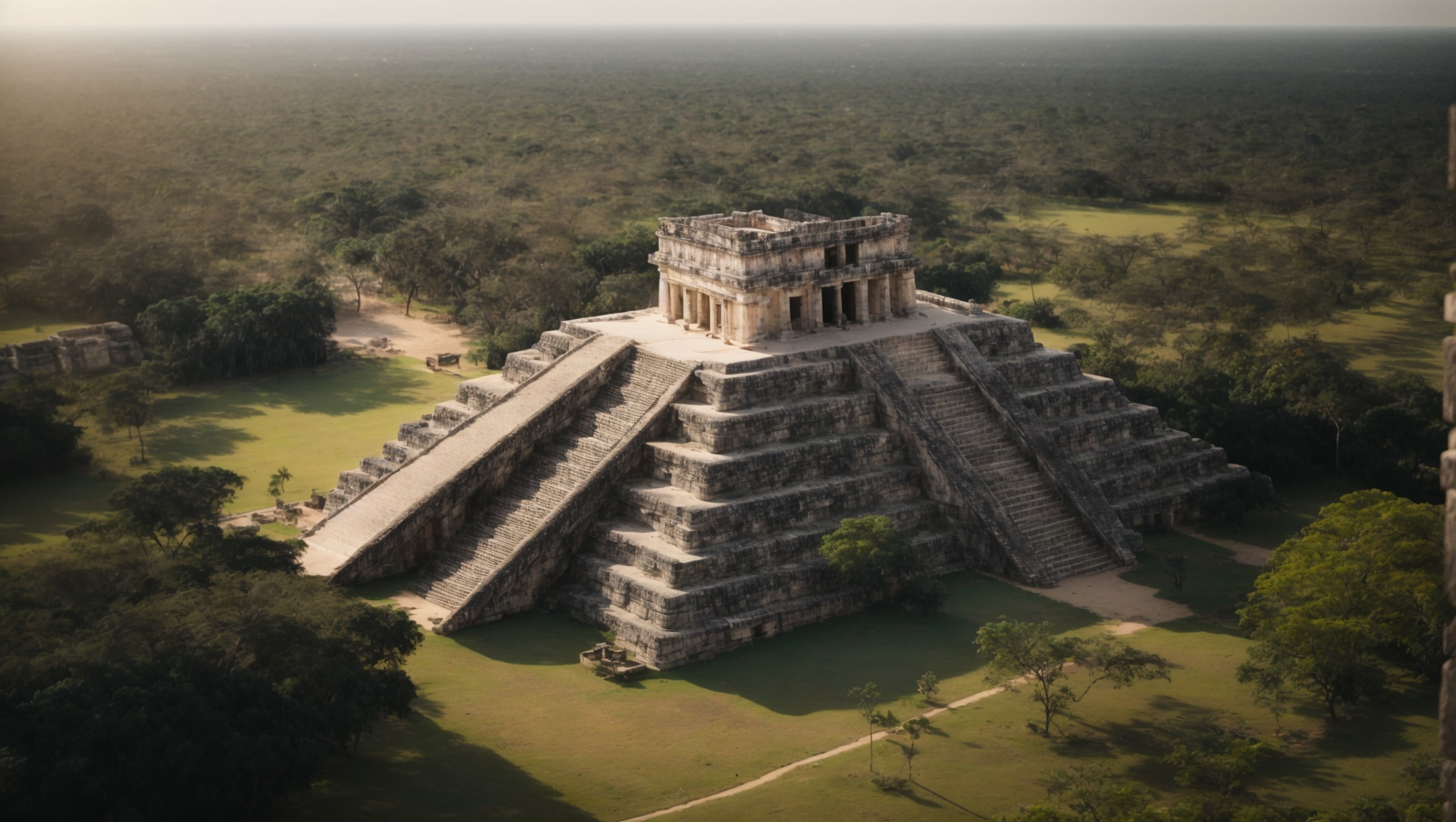
Chichen Itza, a fascinating historical remnant and a witness to the wonders of ancient civilization, is located in the center of the Yucatan Peninsula. Travelers are drawn to this ancient site in Mexico by its mysterious charm, which offers a trip through time and culture. Let’s explore this amazing ancient city to learn more about its fascinating history, architectural wonders, and the profound insights it offers into the Mayan civilisation.
Table of Contents
- Introduction
- Unveiling Chichen Itza: A Brief History
- The Iconic Pyramid of Kukulcan
- Observatory: Gazing at the Stars
- The Sacred Cenote: Echoes of Rituals
- Ball Court: Where Sport Met Spirituality
- Intricate Sculptures and Artifacts
- Mayan Cosmology and Architecture
- Chichen Itza’s Equinox Phenomenon
- Cultural Significance and UNESCO Heritage
- Exploring the Surrounding Area
- Tips for Visiting Chichen Itza
- Preservation Efforts and Future Prospects
- Conclusion
- FAQs
Introduction
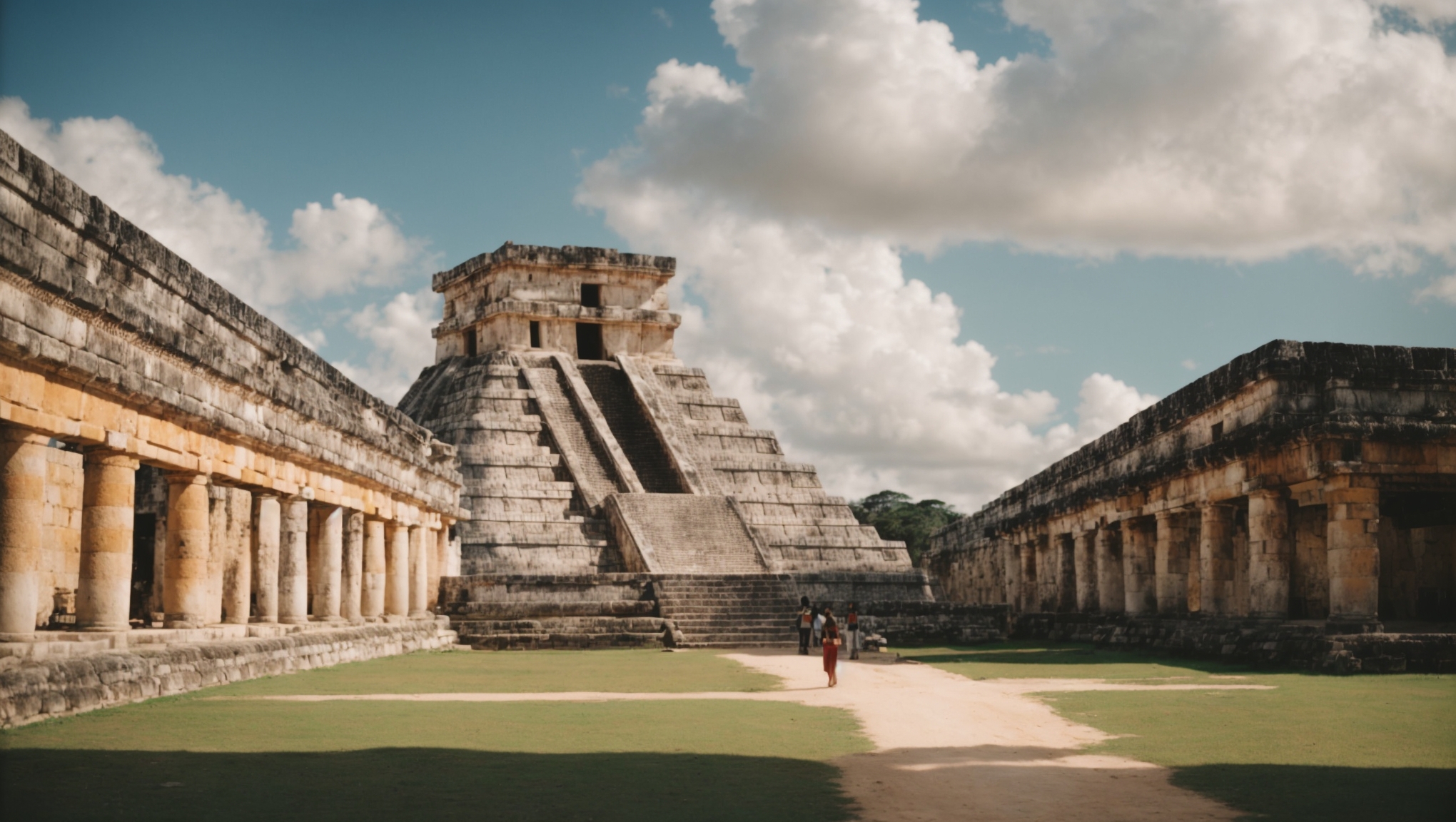
Imagine yourself in front of a historic cityscape, where stone buildings rise against a backdrop of blue skies. The Mayan civilization’s heritage is best represented at Chichen Itza, which is tucked away in Mexico’s verdant countryside. This tour promises to reveal insights into a culture that has astronomy, the arts, and spirituality at its core.
Unveiling Chichen Itza: A Brief History
Chichen Itza has a more than a thousand-year history, with beginnings in the sixth century. It connected the Maya to other Mesoamerican communities and functioned as a center for trade, culture, and religion. Although its growth and collapse are mysterious, the remains provide a description of its majesty.
The Iconic Pyramid of Kukulcan
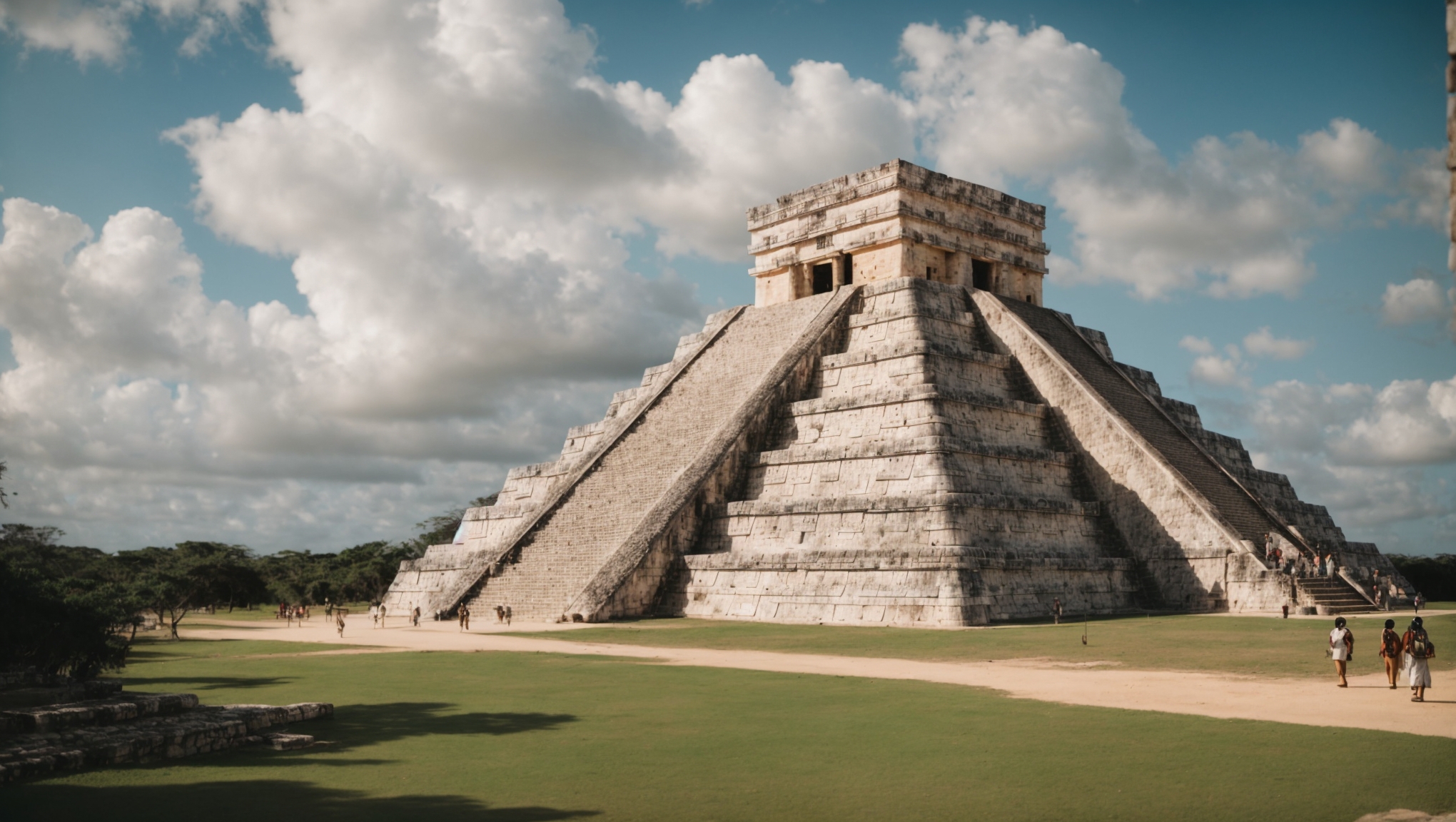
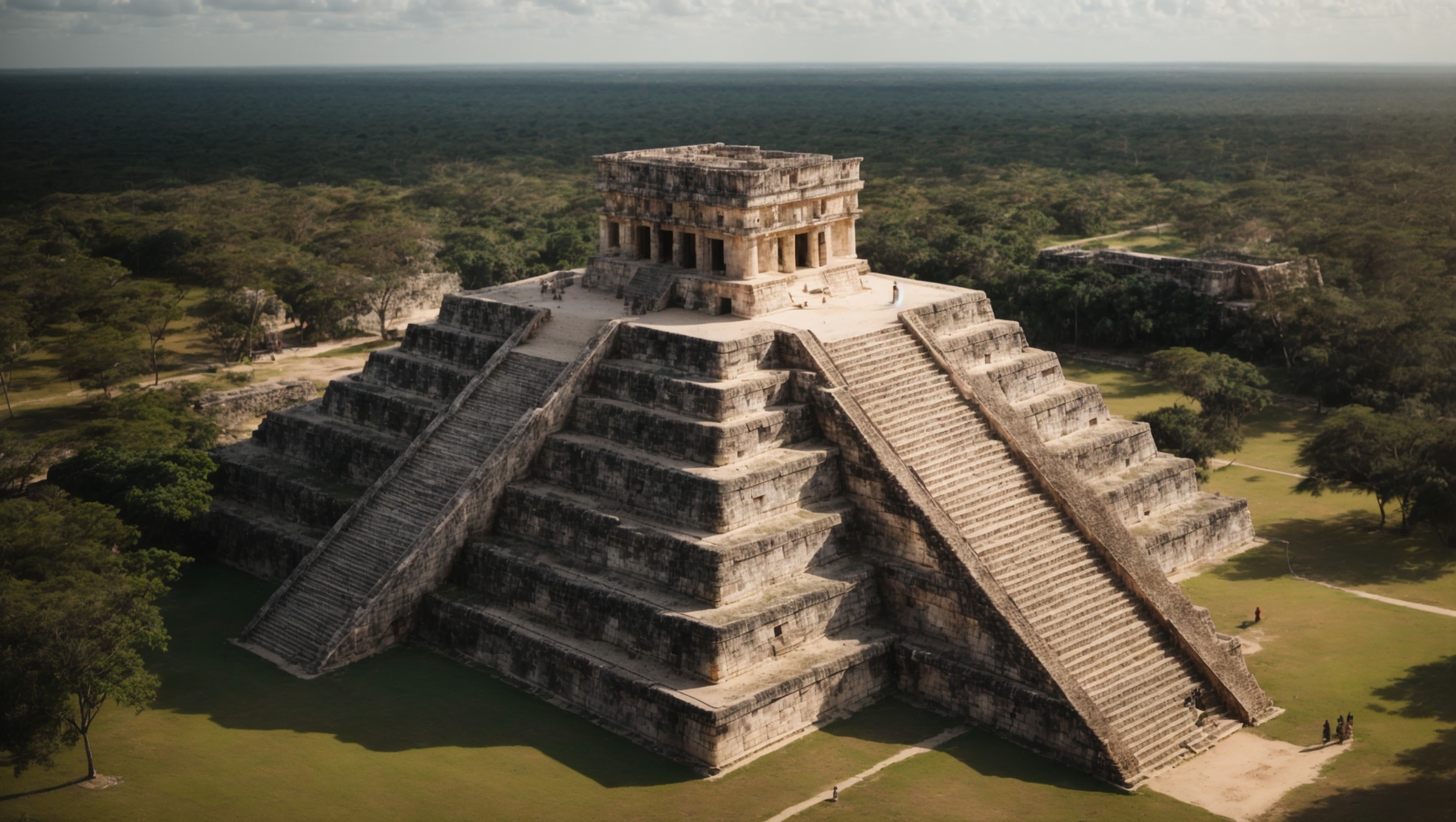
The Pyramid of Kukulcan, a majestic building that displays the Maya’s sophisticated knowledge of mathematics and astronomy, is located in the center of Chichen Itza. This pyramid, also known as El Castillo, was built in accordance with celestial phenomena, most notably at the equinoxes when a shadow resembling a serpent descended its steps.
Observatory: Gazing at the Stars
The Caracol, an observatory in Chichen Itza, is evidence of the Maya people’s interest in the cosmos. They could track celestial motions with astounding accuracy thanks to its round tower’s exact apertures. This demonstrates their familiarity with astronomy and how it affects their daily activities.
The Sacred Cenote: Echoes of Rituals
Chichen Itza’s sacred cenote, a natural sinkhole, served as a site of ritual offerings. Its deep waters hold artifacts and secrets that provide glimpses into the religious ceremonies of the past. Exploring its depths offers a connection to the spiritual practices of the Maya.
Ball Court: Where Sport Met Spirituality
The Great Ball Court offers insights into the Maya’s blend of sport and spirituality. Here, elaborate ball games played a role beyond entertainment; they were intertwined with cosmology and rituals. The court’s acoustics and design amplify the reverence this ancient sport commanded.
Intricate Sculptures and Artifacts
The design and construction of Chichen Itza represent the Maya people’s cosmic ideas. Their respect for cosmic harmony is evident from the city’s orientation, which is in line with astrological events. The architecture tells tales of creation, gods, and rites, from temples to plazas.
Mayan Cosmology and Architecture
The design and construction of Chichen Itza represent the Maya people’s cosmic ideas. Their respect for cosmic harmony is evident from the city’s orientation, which is in line with astrological events. The architecture tells tales of creation, gods, and rites, from temples to plazas.
Chichen Itza’s Equinox Phenomenon
A remarkable spectacle occurs during the equinoxes at Chichen Itza. As the sun’s angle casts a shadow on the Pyramid of Kukulcan, it forms a serpent-like shape descending the pyramid’s steps. This phenomenon highlights the Maya’s intricate understanding of solar cycles.
Cultural Significance and UNESCO Heritage
Chichen Itza received the UNESCO World Heritage Site designation in 1988. This acknowledgement highlights its value as a cultural and historical treasure. To ensure that future generations can appreciate its charm, its preservation is a shared obligation.
Exploring the Surrounding Area
The appeal of Chichen Itza goes beyond its main location. The adjacent cenotes, including Ik Kil, are worth exploring for new perspectives on the area’s geological features. Additionally, surrounding colonial towns provide a fusion of contemporary amenities with Mexican heritage.
Tips for Visiting Chichen Itza
Consider going to Chichen Itza early in the day to avoid crowds and enjoy the tranquility of the place to make the most of your trip. To thoroughly explore the vast grounds, remember to bring drink, sunscreen, and suitable shoes.
Preservation Efforts and Future Prospects
The history of Chichen Itza must be continuously preserved. To preserve its buildings and tales, local communities, archaeologists, and conservationists work together. Prospects for the future include cutting-edge research methods that promise to reveal even more about the past.
Conclusion
Chichen Itza stands as a bridge between the past and the present, inviting us to marvel at the ingenuity of the Maya civilization. Its majestic structures, rich symbolism, and astronomical prowess continue to captivate all who venture into its realm.
FAQs
- Can I climb the Pyramid of Kukulcan? While climbing the pyramid is currently restricted, visitors can admire its beauty and significance from the ground.
- Are guided tours available at Chichen Itza? Yes, guided tours led by knowledgeable experts are available and offer insightful narratives about the site’s history.
- What time of year is ideal to see the equinox phenomenon? The equinoxes occur around March 21st and September 21st. Arriving a few days before or after these dates increases your chances of witnessing the phenomenon.
- Are there food and restroom facilities at Chichen Itza? Yes, there are food stalls and restroom facilities within the site to ensure visitors’ comfort.
- Is Chichen Itza accessible for people with mobility challenges? While some areas may be challenging to navigate, there are accessible pathways to enable a fulfilling experience for all visitors.