
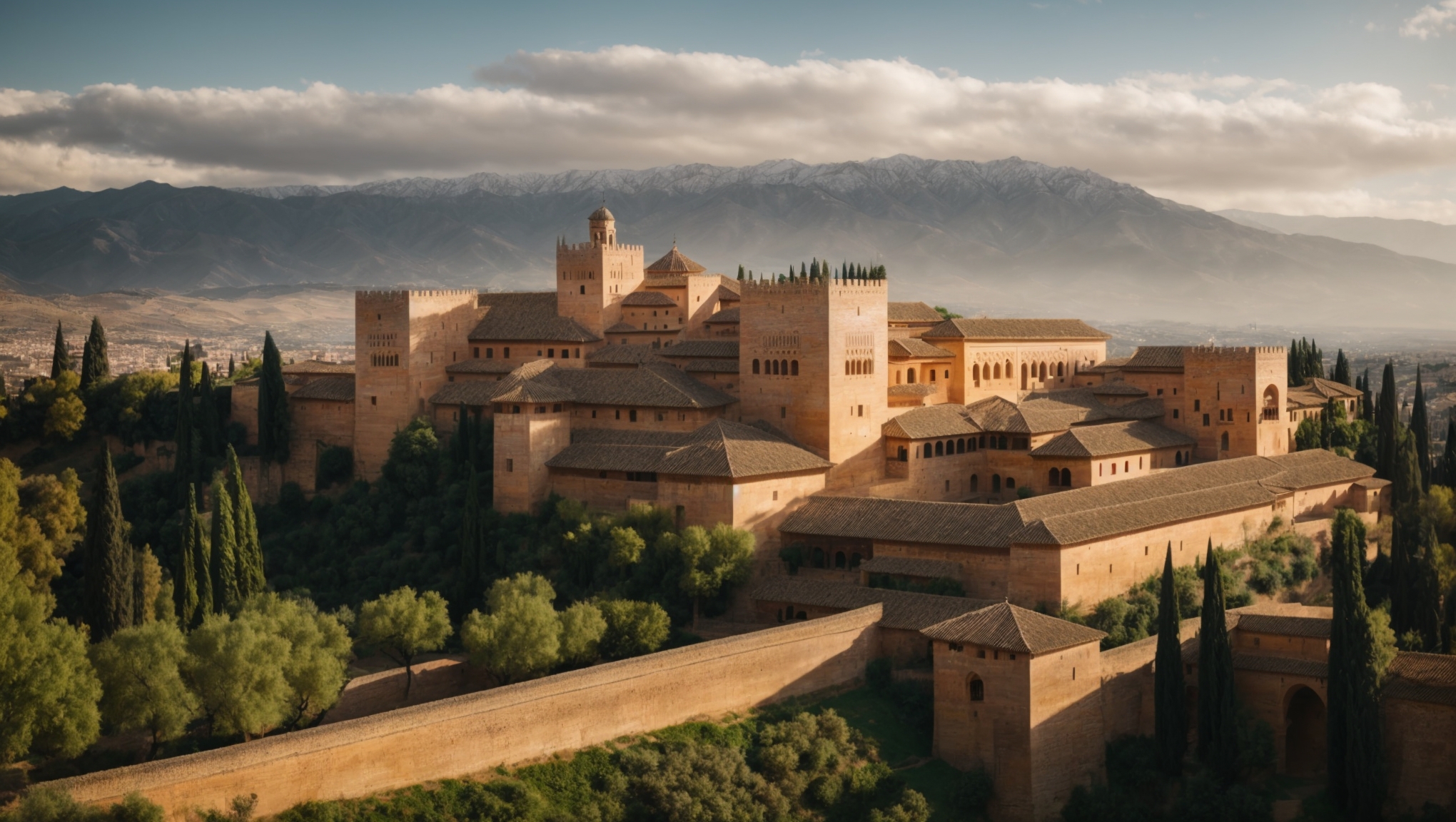
The Alhambra in Spain offers an enthralling voyage through the annals of time and is a tribute to the fusion of history, art, and architecture. This famous structure, located in Granada, is more than just a palace; it serves as a gateway for travelers to enter a setting where Spanish tradition and Moorish grandeur coexist. Exploring the Alhambra is like walking into a magical world where every stone has a tale to tell and every courtyard whispers historical secrets.
Unveiling the Moorish Jewel: An Introduction to Alhambra
The Alhambra, a masterpiece of architecture with roots in the 13th-century Nasrid Dynasty, is located in the center of Granada. With its beautiful geometric patterns, delicate stucco work, and peaceful courtyards, this palace-fortress complex brilliantly displays Islamic architecture. The name “Alhambra” itself refers to a “Red Castle,” an homage to the reddish color of its walls and towers.
A Tapestry of History and Culture
The Nasrid Palaces: Where Royalty Resided
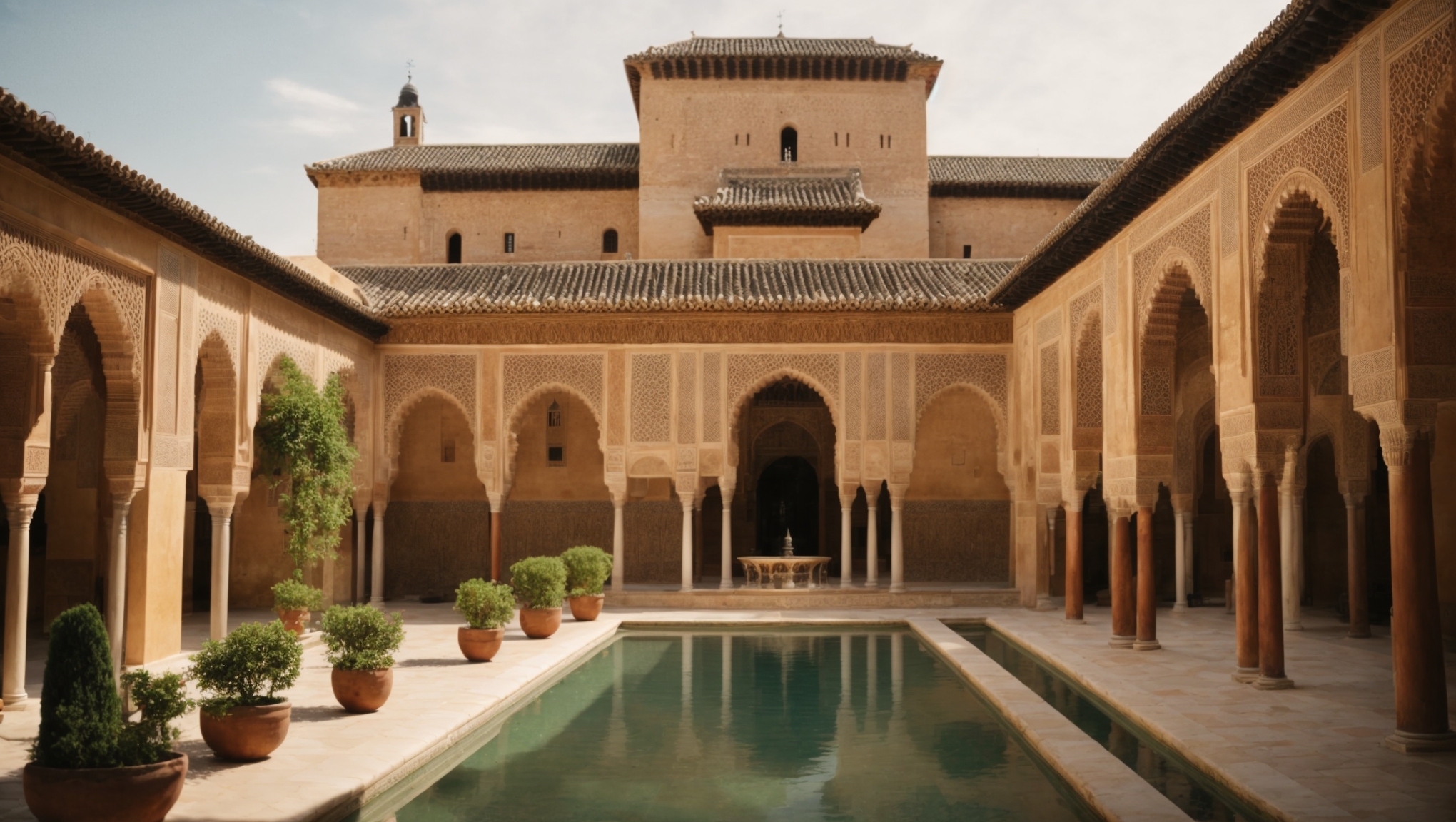
A look into the sumptuous lives of the Nasrid kings is provided by the Nasrid Palaces located on the grounds of the Alhambra. The focal point is the Palacio de los Leones (Palace of the Lions), which has a magnificent courtyard with a marble fountain and twelve statues of lions supporting it. The great taste in art and architecture of the Nasrids is evident in this palace.
The Generalife: Gardens of Tranquility
The Generalife Gardens offer a tranquil retreat outside of the palaces. An oasis of peace is created by lush vegetation, aromatic flowers, and expertly crafted fountains. For the Nasrid kings, the Generalife served as a sanctuary of rest and contemplation where they could escape the pressures of their regal responsibilities.
Architectural Marvels: Unveiling Alhambra’s Treasures
The Court of the Lions: A Symbol of Beauty and Unity
The Patio de los Leones (Court of the Lions) is perhaps the most iconic spot in the Alhambra. Its intricate stucco arches, delicate columns, and the central fountain adorned with lions symbolize harmony and strength. This courtyard embodies the Islamic belief in the importance of water, both for practical use and spiritual significance.
The Alhambra Fortress: Sentinel of the City
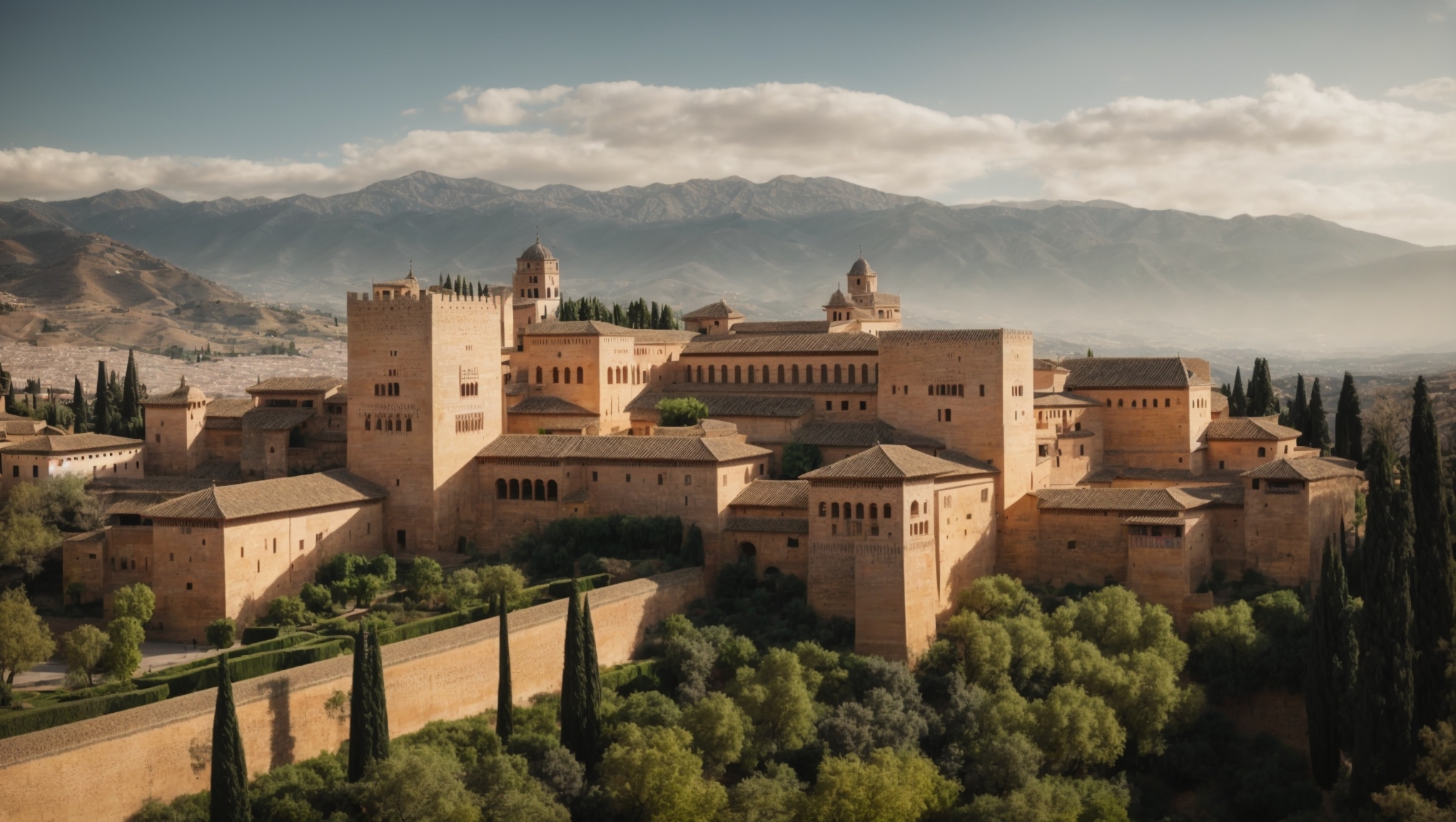
The Alhambra is beautiful, but it also acted as a fortress, strategically placed atop a hill to watch over the city below. In addition to displaying military strength, its towers and walls also provided breathtaking views of Granada and the Sierra Nevada mountains.
Preserving the Past: Alhambra’s Enduring Legacy
The Alhambra Conservation Efforts
Preserving a structure as old and delicate as the Alhambra is a challenge that requires meticulous care. Conservationists and architects have tirelessly worked to maintain the monument’s integrity, employing advanced techniques while respecting its historical significance.
Cultural Significance and UNESCO Recognition
The Alhambra was recognized as a cultural property by UNESCO in 1984, emphasizing its significance. Beyond Spain’s boundaries, it influences writers, architects, and painters all around the world.
A Journey into the Unknown: Visitor’s Experience
Navigating the Alhambra
A trip to the Alhambra is like entering a beautiful maze. Each nook reveals a fresh layer of history, from the elaborate patterns on the stucco walls to the peace of the gardens. To fully understand the site’s historical significance, it is advised to take a guided tour.
A Symphony of Light and Shadow
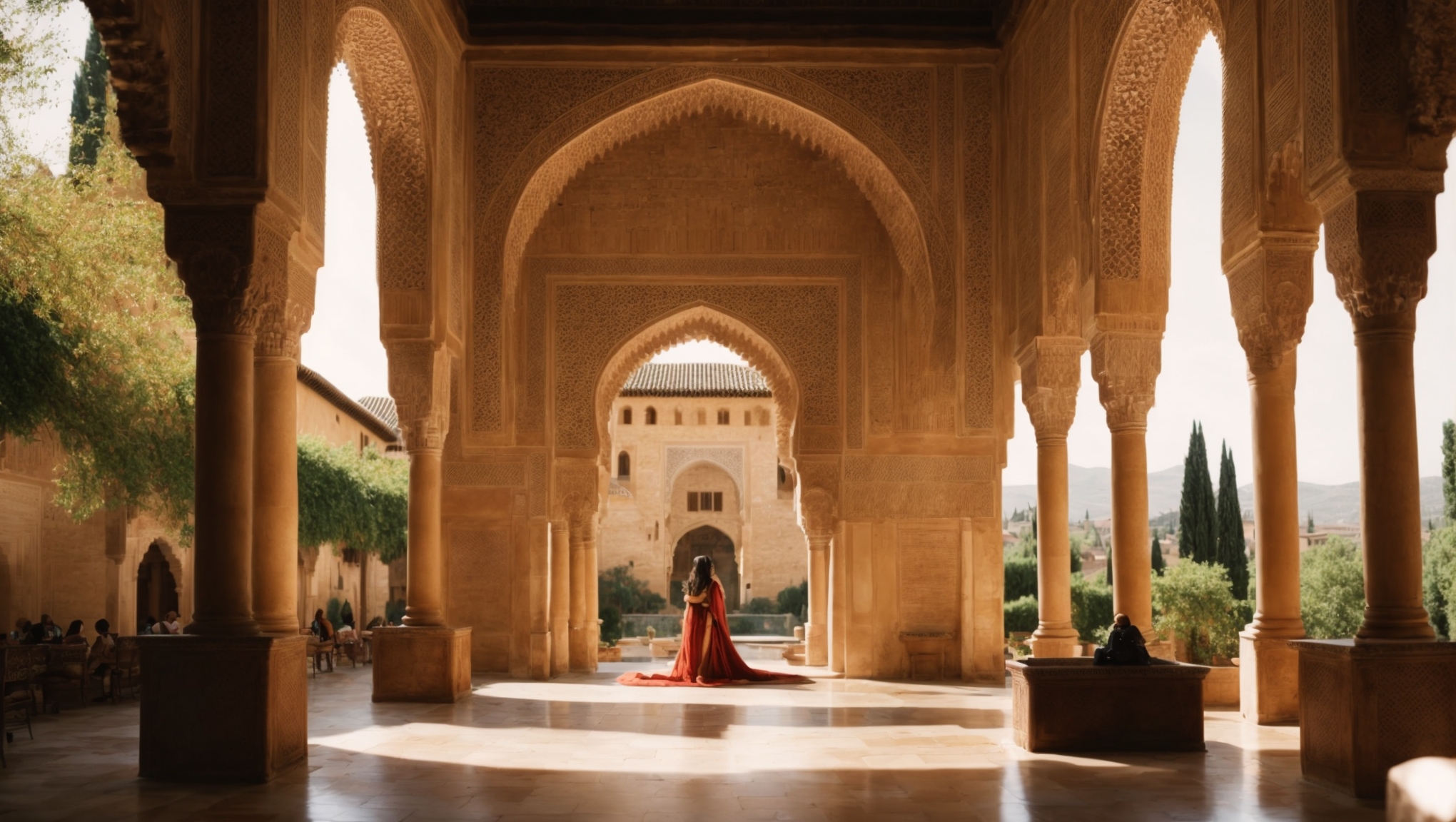
With sunlight playing on its surfaces and throwing delicate shadows that dance over the walls, the Alhambra’s splendor changes throughout the course of the day. A beautiful experience can be had by visiting the monument in the evening when the sun has set and the moon has risen.
Conclusion
More than just a stunning piece of construction, Spain’s Alhambra serves as a reminder of the passage of time, a link between different cultures, and a nexus for history, art, and architecture. As guests enter its revered halls, they begin a journey that spans centuries and inspires awe and devotion. The history of the Alhambra continues to inspire people to delve into its captivating story and preserve the past for future generations.
FAQs about Alhambra
1. Can I explore the Alhambra independently? Absolutely! While guided tours offer insights, you can explore the Alhambra at your own pace too. Just make sure to purchase your tickets in advance.
2. Are there any restrictions for photography? Photography is allowed in most areas, but some sections might have restrictions. Check with the staff or your guide before taking pictures.
3. How do I get to the Alhambra from Granada’s city center? The Alhambra is within walking distance from the city center. Alternatively, you can take a taxi or use public transportation.
4. Are tickets limited? Yes, the number of daily visitors is limited to preserve the monument. It’s a good idea to purchase your tickets far in advance.
5. What’s the best time to visit the Alhambra? The Alhambra’s beauty is enchanting throughout the year. However, spring and fall offer pleasant weather for exploration.